Guide
The Complaint Handling Code Explained for Tenants
A plain-English guide to the Housing Ombudsman Complaint Handling Code for social housing residents: what it requires, the timescales and stages, and how to use it to strengthen your complaint.
Reviewed against Housing Ombudsman published guidance.
Landlord Record is independent and is not affiliated with, or endorsed by, the Housing Ombudsman Service. We organise and analyse decisions published under the Open Government Licence.
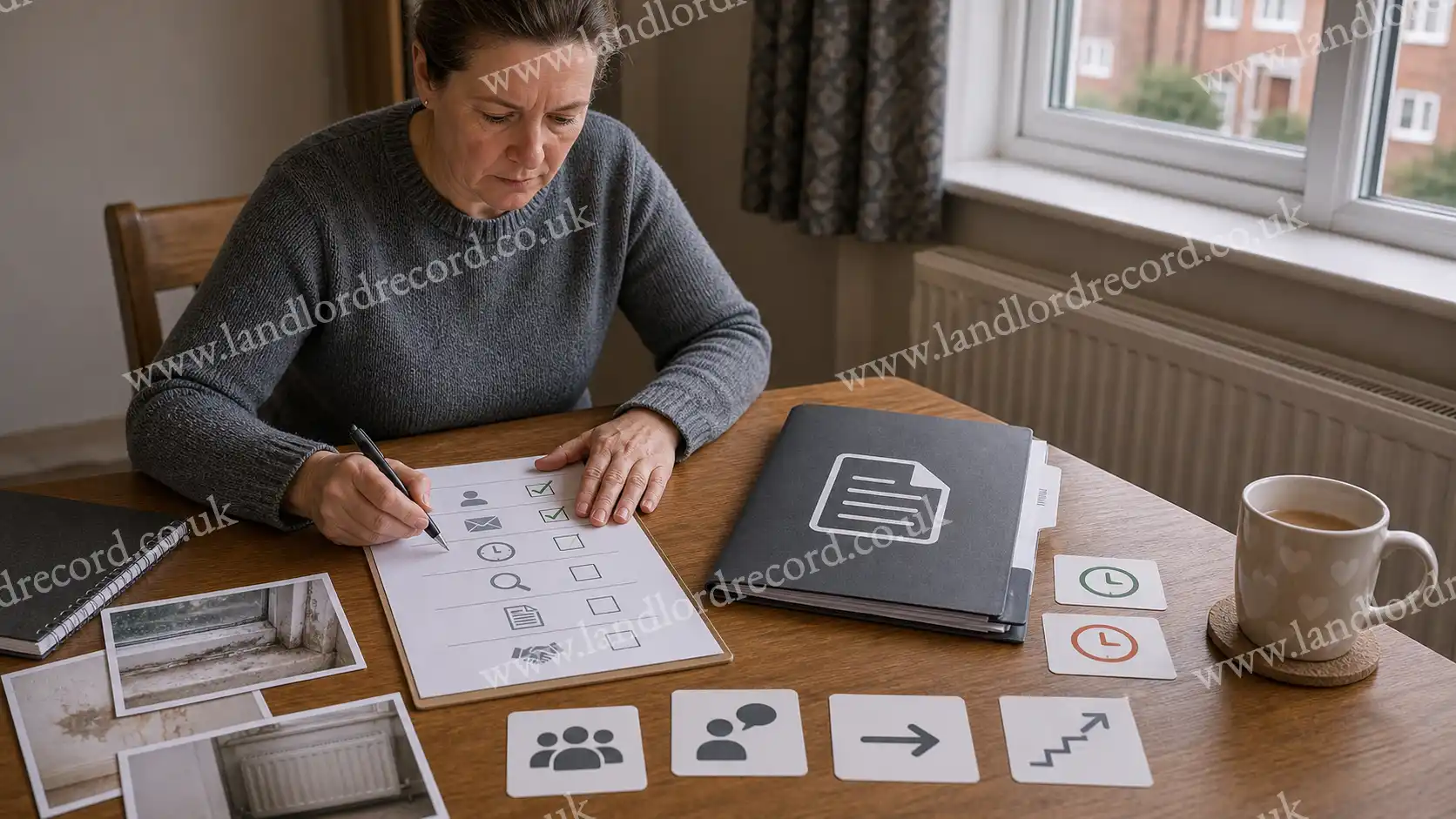
The Complaint Handling Code is the rulebook that tells social landlords in England how they must handle complaints from residents. Published by the Housing Ombudsman, it sets out the stages a complaint must follow, the timescales landlords must meet, and the standards of fairness and communication residents are entitled to expect. Since April 2024 the Code has been statutory under the Social Housing (Regulation) Act 2023, which means compliance is a legal requirement — not merely guidance.
Understanding the Code matters because it gives you a clear benchmark against which to judge your landlord's conduct. If your landlord breaks the rules, you can cite the specific requirement when you escalate your case. Our index of published determinations currently holds 18,064 Housing Ombudsman decisions, many of which reference the Code directly when finding that a landlord handled a complaint unfairly or failed to follow procedure.
What the Code requires of landlords
The Complaint Handling Code applies to all member landlords of the Housing Ombudsman scheme, which includes the vast majority of housing associations and council landlords in England. The requirements fall into four areas: stages, timescales, fairness, and record-keeping.
The complaint stages
The Code requires landlords to operate a two-stage complaints process:
- Stage 1 — the landlord investigates the complaint and provides a full response. This is the first formal opportunity for the landlord to put things right.
- Stage 2 — if the resident is unhappy with the Stage 1 outcome, they can ask for the complaint to be escalated. Stage 2 is a more senior review and must be conducted by someone who was not involved in Stage 1.
Many landlords also use an early self-resolution stage to try to resolve issues quickly before opening a formal complaint. This can be helpful, but residents can ask for their complaint to be logged formally at any time. The landlord cannot use self-resolution to avoid its formal obligations under the Code. For more on how the overall process works, see our guide to the social housing complaints procedure.
Timescales landlords must meet
The Code sets strict timescales. Landlords must acknowledge complaints promptly and keep residents informed if deadlines slip. The standard timescales are:
| Stage | Acknowledge within | Respond within |
|---|---|---|
| Stage 1 | 5 working days | 10 working days |
| Stage 2 | 5 working days | 20 working days |
If a landlord cannot meet a deadline, the Code requires it to explain why, agree a new date with the resident, and provide updates until the response is sent. Simply going silent is a breach.
Fairness and accessibility
The Code requires landlords to treat complaints fairly and without bias. This means:
- Complaints must be easy to make — landlords cannot create unnecessary barriers or require residents to use a specific channel.
- Residents must be kept informed of progress throughout.
- Responses must be clear, address each point raised, and explain the landlord's decision and any remedy offered.
- Landlords must recognise vulnerability and adapt their approach where needed, for example by offering accessible formats or additional support.
Record-keeping
Landlords must keep clear records of complaints, including what was raised, what was investigated, what was decided, and why. Good records help both the landlord and the resident, and they are essential if the complaint later goes to the Ombudsman. When the Ombudsman investigates, it often criticises landlords for poor or missing records.
What a breach of the Code looks like
A breach occurs whenever a landlord fails to meet a requirement set out in the Code. In practice, the most common breaches include:
- Missing deadlines — failing to acknowledge within five working days or provide a Stage 1 or Stage 2 response within the required timeframe.
- Not acknowledging the complaint — leaving residents uncertain whether their complaint has been logged.
- Poor communication — failing to keep the resident informed, sending vague responses, or not explaining the decision clearly.
- Refusing to escalate — wrongly telling a resident there is no Stage 2 or that the complaint is closed when they have asked for escalation.
- Inadequate records — being unable to show what was investigated or why a particular decision was reached.
- Closing without resolution — ending the process before the resident has received a proper response or remedy.
When the Housing Ombudsman finds that a landlord has breached the Code, it typically records a finding of maladministration or severe maladministration. This means the landlord failed to meet its obligations and that failure adversely affected the resident. The Ombudsman can then issue orders — including compensation, an apology, policy reviews, and staff training — that the landlord must follow.
How to use the Code in your complaint
The Code is a practical tool, not just a set of rules for landlords. You can use it to strengthen your own complaint at every stage.
At the start: When you make your complaint, ask the landlord to confirm that it has logged it formally and tell you which stage it is at. Keep a dated record of every email, letter, or phone call. If the landlord does not acknowledge within five working days, you already have evidence of a breach.
During the process: If the landlord misses a deadline, go silent, or sends a vague response, write back quoting the specific requirement from the Code. For example, you can point out that the Code requires Stage 1 responses within ten working days and that the landlord must explain any delay and agree a new date. This creates a paper trail that will support your case later.
Escalating to the Ombudsman: You can escalate to the Housing Ombudsman if you are unhappy with the landlord's final response, or if the landlord has not provided a final response within eight weeks of your complaint being logged. You do not need to contact a designated person or MP first. When you submit your complaint to the Ombudsman, reference the specific parts of the Code the landlord broke. This helps the Ombudsman assess your case quickly. Our guide to complaining to the Housing Ombudsman explains the full escalation process.
If the landlord refuses to escalate internally: Ask for the refusal in writing. The Code requires landlords to operate both stages, and a written refusal is strong evidence of non-compliance that the Ombudsman will take seriously.
You can also read our guide on what the Housing Ombudsman can do to understand the orders and remedies available if the Ombudsman finds in your favour.
Our index holds 18,064 published Housing Ombudsman determinations, including 2,441 findings of severe maladministration. Many of these decisions cite the Complaint Handling Code when criticising a landlord's conduct. Search the decisions or browse the league tables. — Landlord Record analysis of Housing Ombudsman decisions (OGL v3.0)
Frequently asked questions
Frequently asked questions
What is the Complaint Handling Code?
The Complaint Handling Code is a set of rules published by the Housing Ombudsman that tells social landlords how they must handle complaints from residents. It covers the stages a complaint must go through, the timescales landlords must meet, how they should communicate with residents, and the records they must keep. Since April 2024 the Code has been statutory, meaning landlords are legally required to follow it.
Is the Complaint Handling Code legally binding?
Yes. The Social Housing (Regulation) Act 2023 made the Complaint Handling Code statutory from April 2024. This means registered providers of social housing must comply with the Code by law. The Regulator of Social Housing can take enforcement action against landlords that fail to meet the requirements, and the Housing Ombudsman uses the Code as the benchmark when it investigates complaints.
What timescales must landlords meet?
Landlords must acknowledge a complaint within five working days of receiving it. At Stage 1, they must provide a full response within ten working days unless they agree a different timeframe with the resident. At Stage 2, they must respond within 20 working days. If a landlord cannot meet a deadline, it must explain why, agree a new date with the resident, and keep them informed of progress.
What happens if a landlord breaches the Code?
If a landlord breaches the Complaint Handling Code, the Housing Ombudsman can find maladministration or severe maladministration when it investigates the complaint. The Ombudsman can order the landlord to apologise, pay compensation, review its policies, change its processes, and provide staff training. The Regulator of Social Housing can also take separate regulatory action for systemic failures.
How many stages should a complaint have?
The Code requires landlords to operate a two-stage complaints process: Stage 1 for initial investigation and Stage 2 for escalation when the resident is unhappy with the Stage 1 outcome. Many landlords also use an early "self-resolution" stage to try to put things right quickly before opening a formal complaint, but residents can ask for their complaint to be logged formally at any time.
How does the Code help my complaint?
The Code gives you a clear benchmark to hold your landlord against. If the landlord misses deadlines, fails to acknowledge your complaint, does not keep you informed, or refuses to escalate to Stage 2, you can cite the specific requirement it has broken. This strengthens your case when you escalate to the Housing Ombudsman. You can also escalate if the landlord does not provide a final response within eight weeks.